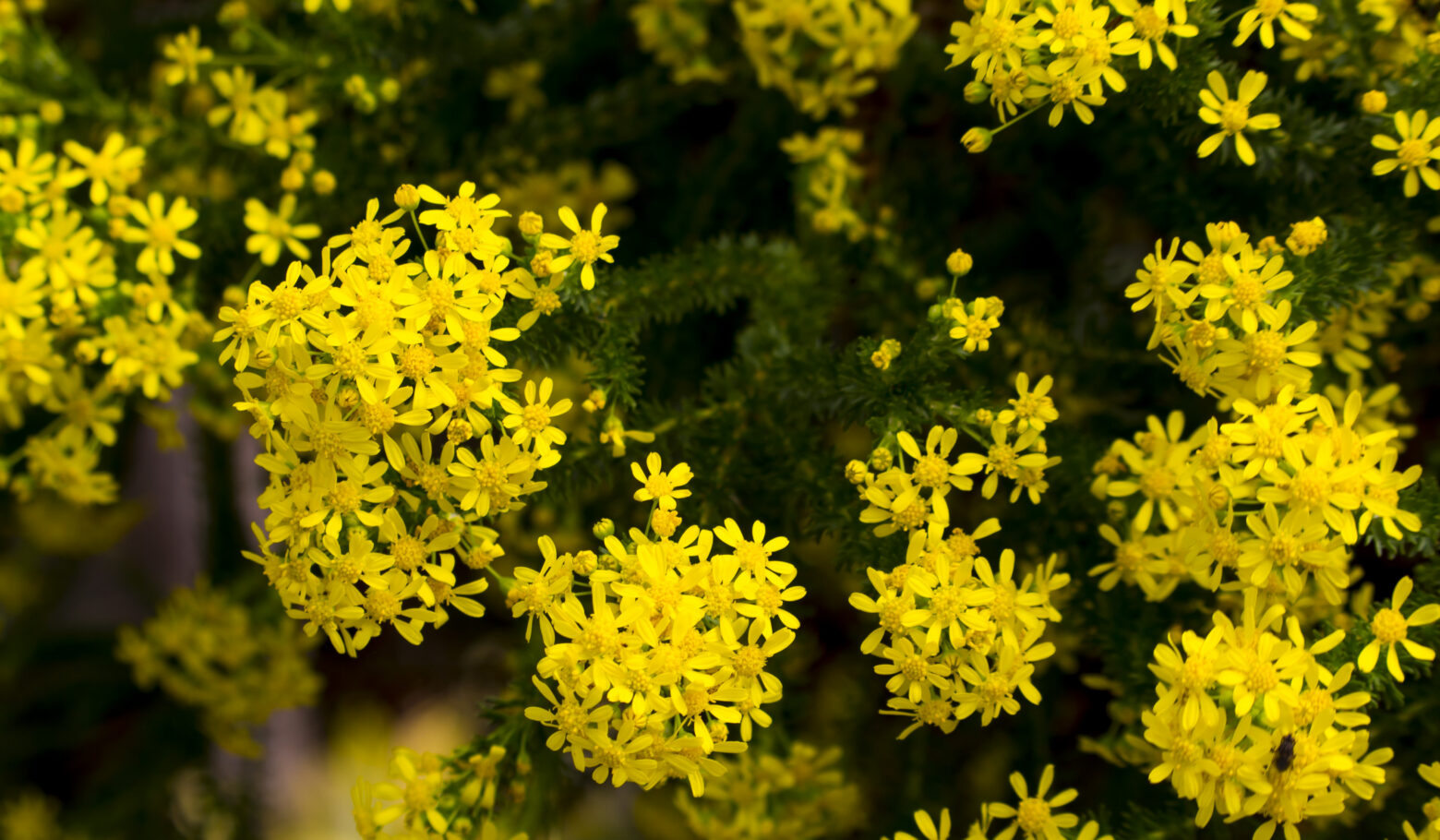

Plant of the Month – Coast Scabious
For November, Outeniquasbosch Wildlife Village highlights Scabiosa incisa, commonly known as Coast Scabious or Koringblommetjie.
Read More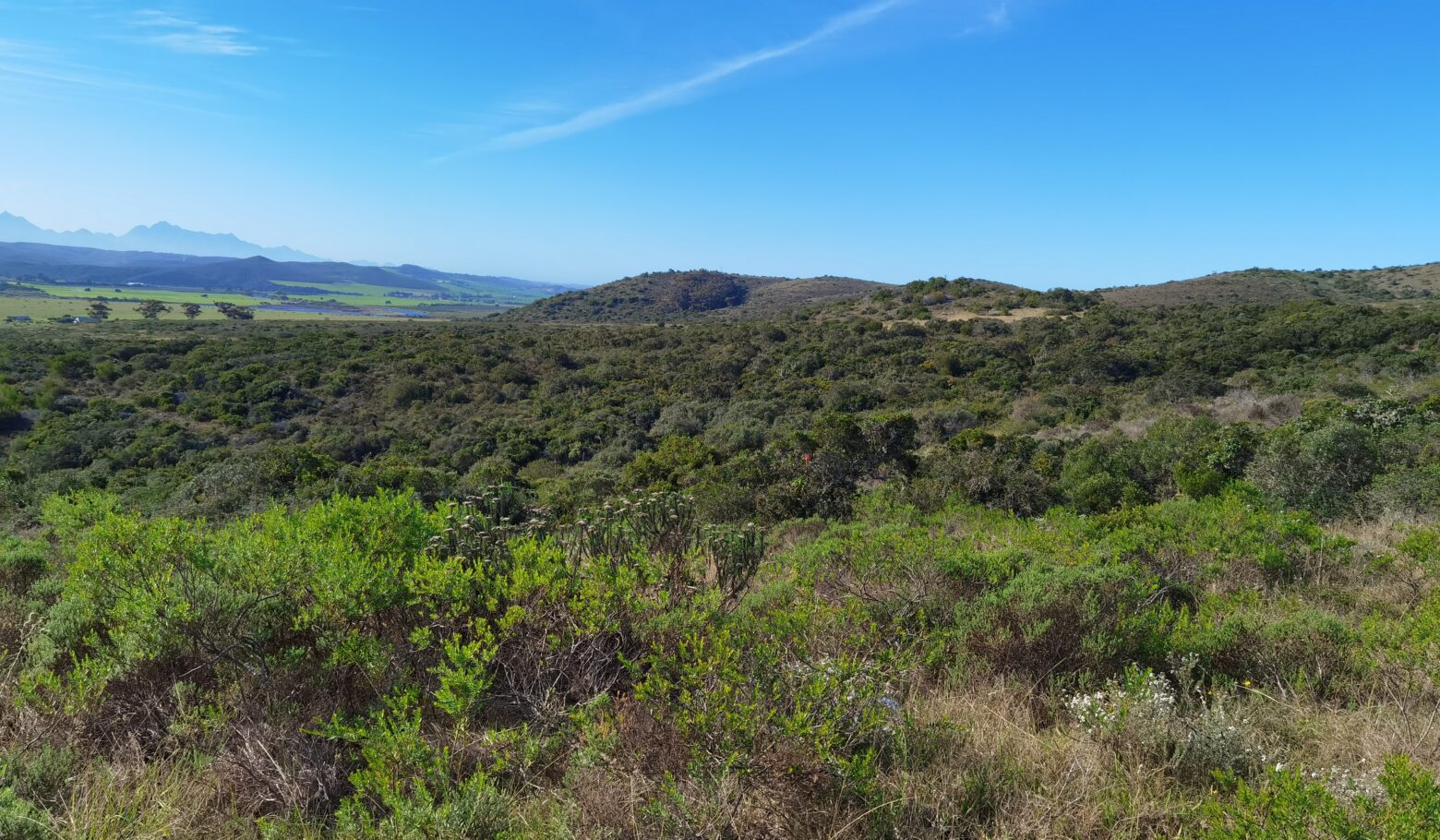
Protecting Our Public Green Areas
Protecting Our Public Green Areas: Planting and Vegetation Removal At Outeniquasbosch Wildlife Village, our public green areas are an important part of the estate’s natural environment. These shared spaces are carefully managed to protect indigenous vegetation, support wildlife and maintain the natural character of our surroundings. While we appreciate residents who wish to contribute to
Read More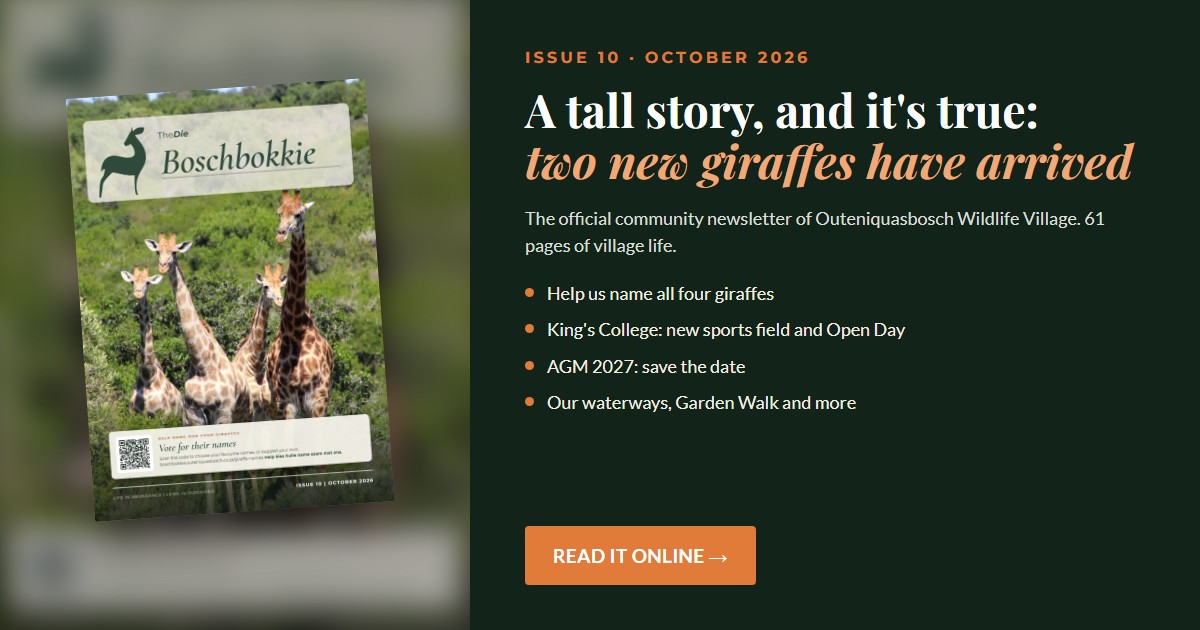
A Tall Story, and It’s True: Two New Giraffes Have Arrived
Die Boschbokkie Issue 10, October 2026 A tall story, and it’s true: two new giraffes, a cow and a bull, have joined the two who have long called Outeniquasbosch home, and all four are on the cover of the October issue of Die Boschbokkie. Issue 10 is here, and it runs to 61 pages. This
Read More
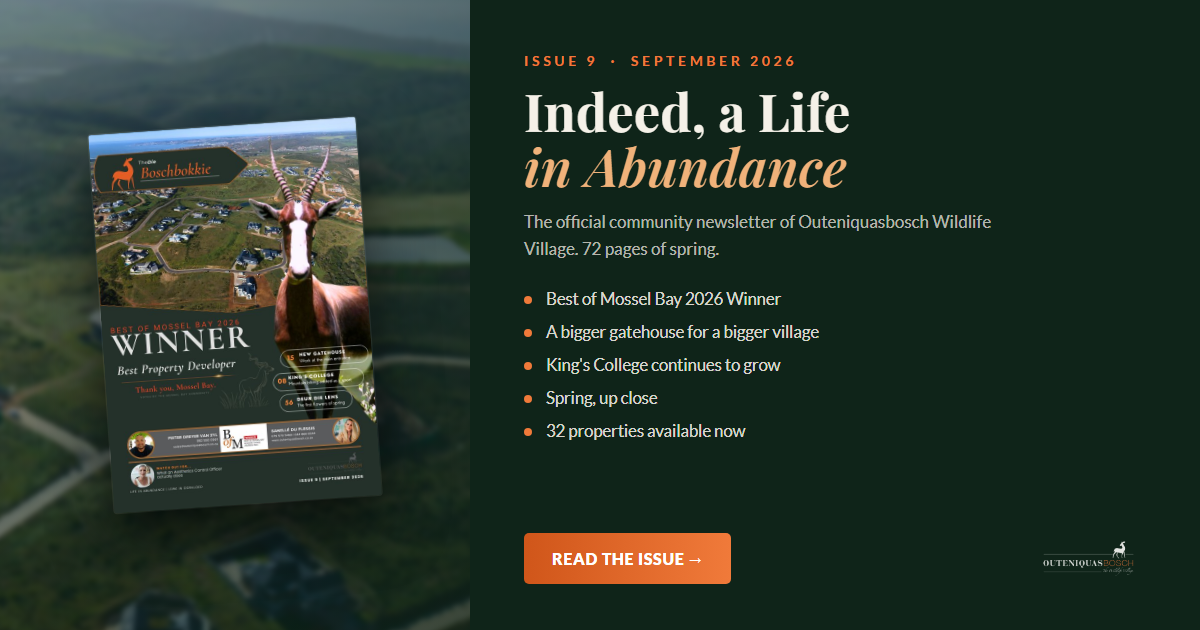
Die Boschbokkie – Issue 9 | Indeed, a Life in Abundance
Issue 9 · September 2026 Spring has arrived in Outeniquasbosch, bringing fresh colour to the veld and a new collection of stories from across our wildlife village. Issue 9 of Die Boschbokkie is here, and it runs to 72 pages. This edition celebrates the people, wildlife and shared spaces that make Outeniquasbosch special. It is
Read More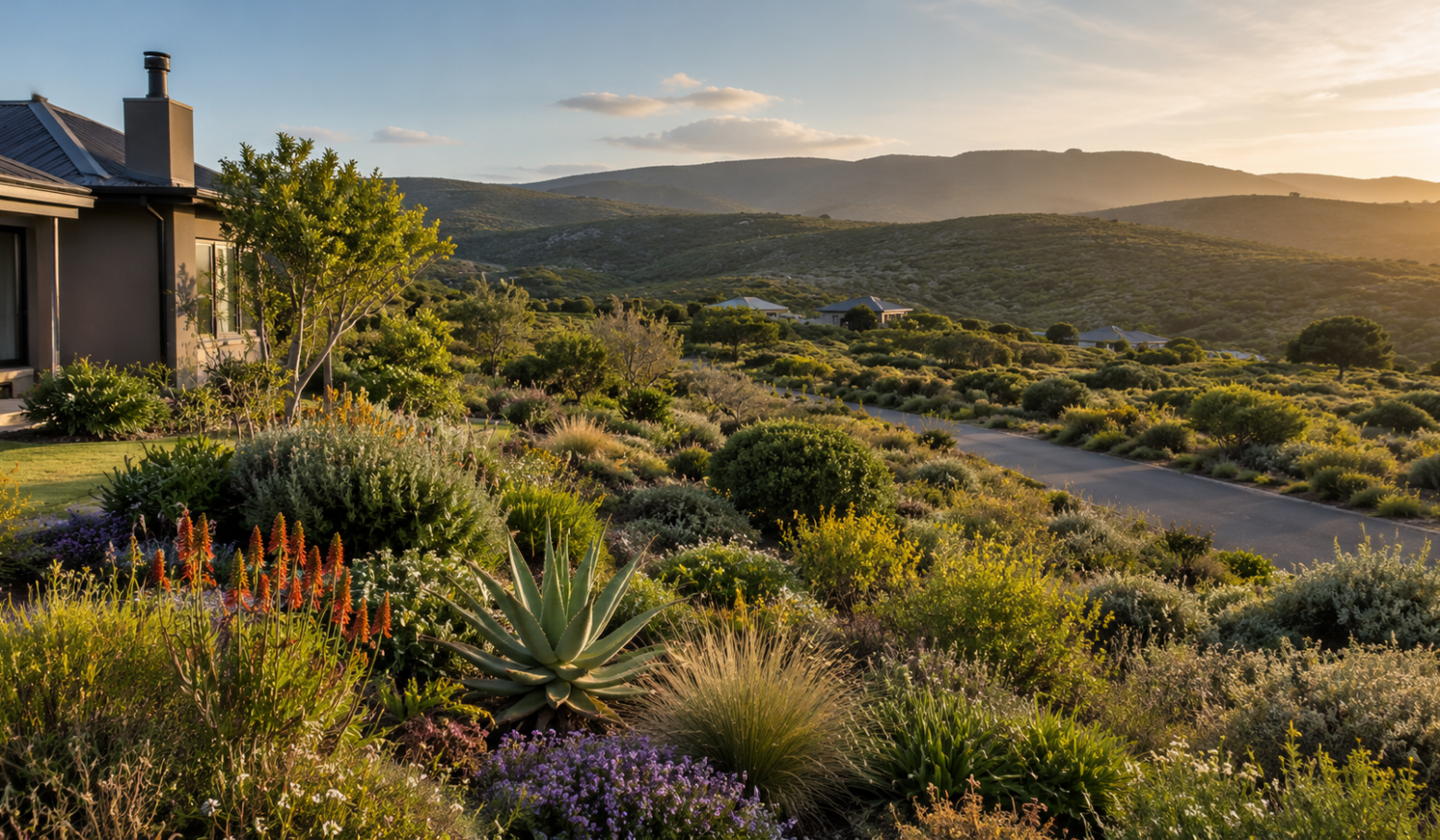
Understanding the Outeniquasbosch Landscape Manual
Understanding the Outeniquasbosch Landscape Manual: Your Garden, Rehabilitation Area, and Green Areas Explained Outeniquasbosch was never meant to be a garden estate in the conventional sense. It was built on land that once supported a mosaic of fynbos, renosterveld and valley bushveld, and the guiding idea behind our Landscape Manual is simple: bring that mosaic
Read More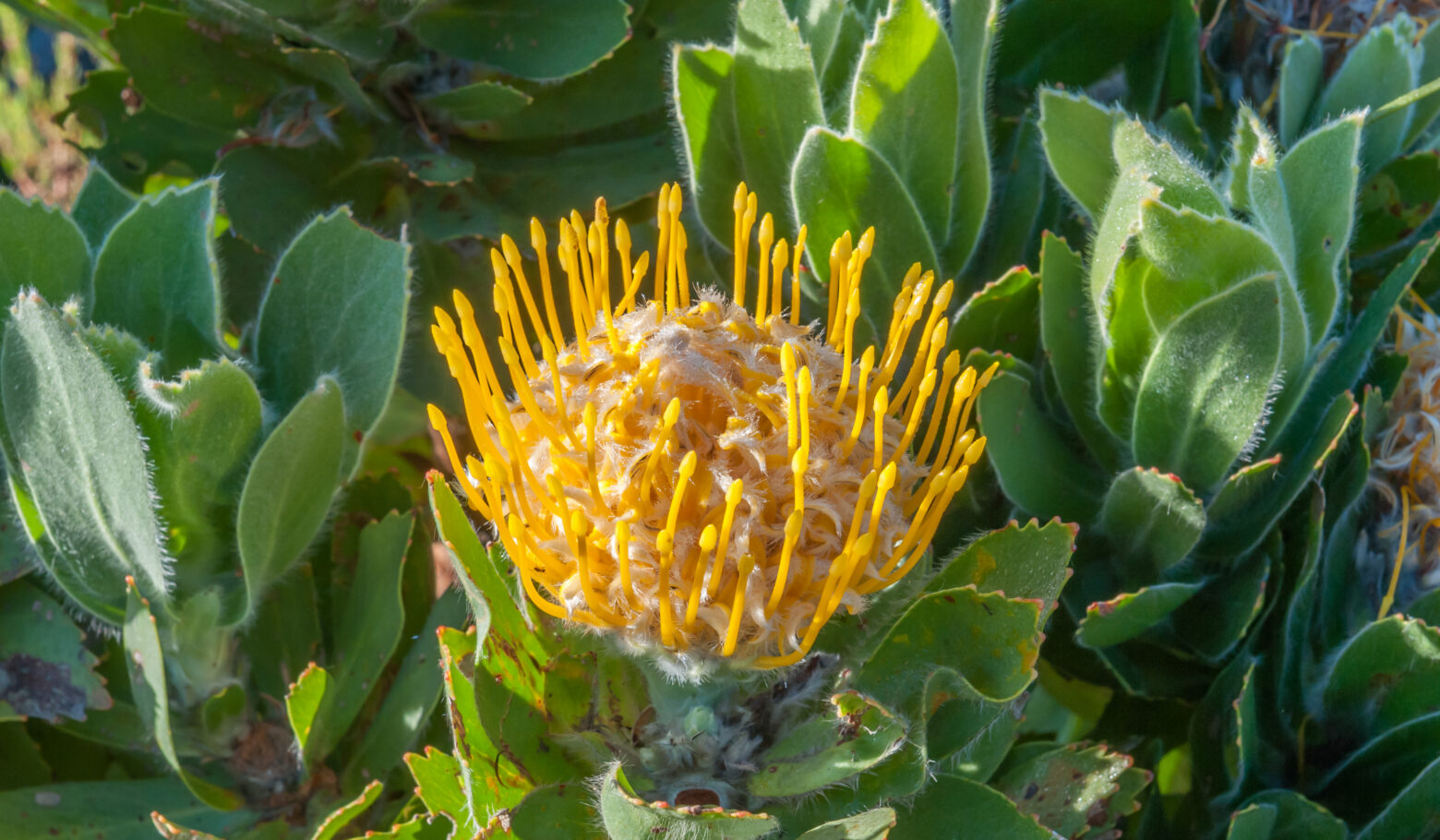
Plant of the Month – Yellow Pincushion

Why Indigenous Plants Matter at Outeniquasbosch
Why Indigenous Plants Matter at Outeniquasbosch Outeniquasbosch sits within one of the richest floral regions on Earth. The Cape Floral Kingdom covers less than 90,000 square kilometers, yet it holds around 8,500 plant species, roughly two-thirds of which occur nowhere else on the planet. Our estate’s own vegetation is a mosaic of four of this
Read More