Protecting Our Public Green Areas
Protecting Our Public Green Areas: Planting and Vegetation Removal
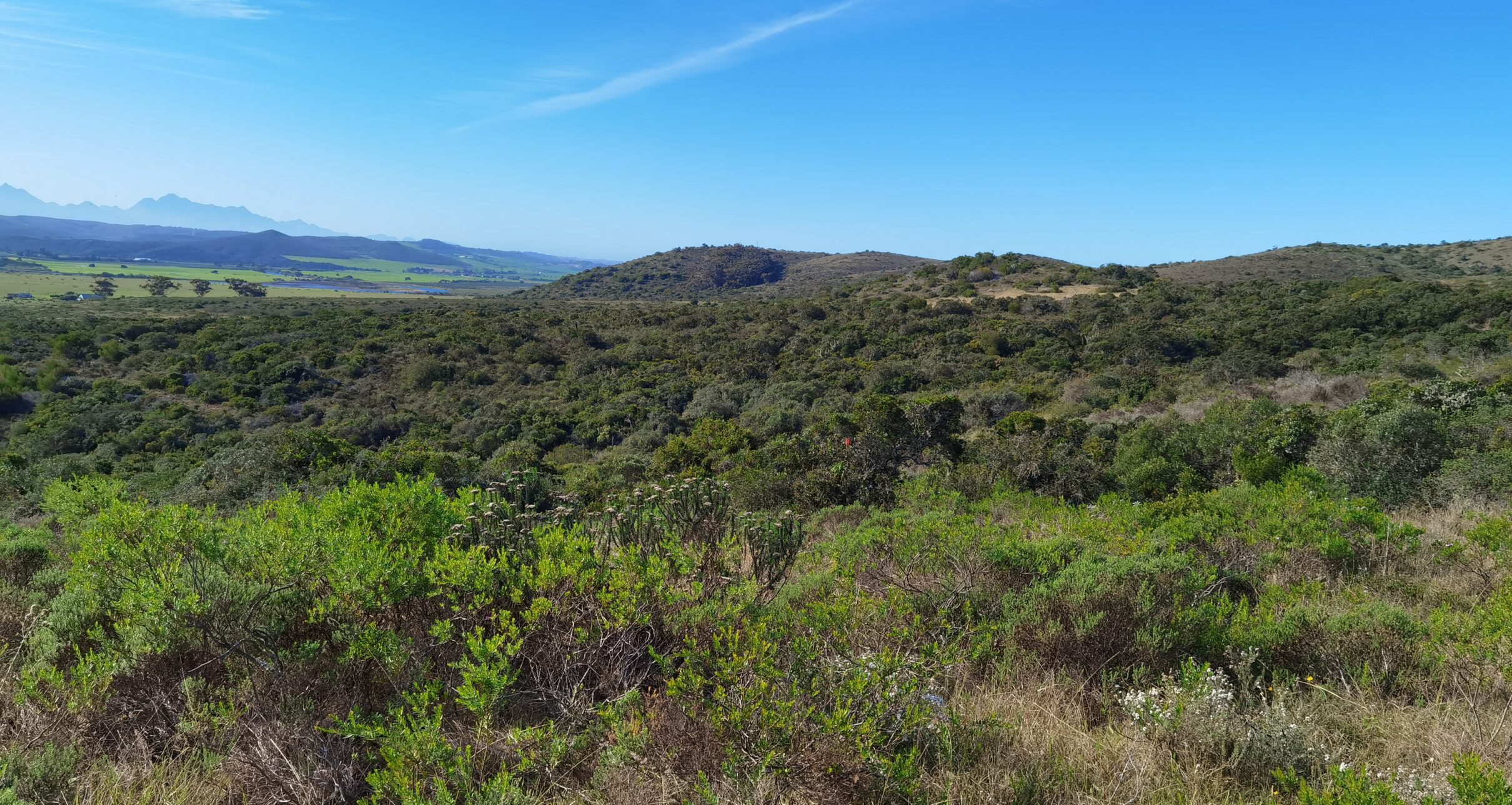
At Outeniquasbosch Wildlife Village, our public green areas are an important part of the estate’s natural environment. These shared spaces are carefully managed to protect indigenous vegetation, support wildlife and maintain the natural character of our surroundings.
While we appreciate residents who wish to contribute to the beauty of the estate, it is important to understand that planting, removing or altering vegetation in public green areas is strictly controlled.
Planting in Public Green Areas
Residents are not permitted to plant trees, shrubs, flowers, grasses or any other vegetation in HOA-managed public green areas.
The responsibility for planting, maintaining and rehabilitating these areas rests with the HOA Landscaping Department. All landscaping activities are guided by the estate’s Landscaping Master Plan and the planting plans developed for each phase.
These plans consider the existing vegetation, soil conditions, wildlife habitats and the natural character of each area. Planting is carefully planned to ensure that new vegetation complements the surrounding environment rather than disrupting it.
Residents are welcome to sponsor trees or plants for public green areas. However, all proposed donations must first be discussed with and approved by the Landscaping Department. The selection, positioning and planting of sponsored vegetation will be undertaken by the HOA team in accordance with the relevant planting plans.
Removal of Existing Vegetation
Residents may not remove, cut down, prune, transplant or otherwise interfere with any vegetation in public green areas without prior written approval.
This applies to all vegetation, including trees, shrubs, grasses, indigenous plants and naturally occurring vegetation, regardless of their size or appearance.
Vegetation may not be removed to improve views, create additional garden space or alter the surrounding landscape.
In exceptional circumstances, plants may be removed for approved plant rescue purposes. Such activities must be authorised in advance by the Environmental Control Officer (ECO), coordinated through the Landscaping Committee and carried out strictly according to the guidance provided. Residents may not independently collect or relocate plants from these areas.
Public Green Areas vs Rehabilitation Areas
Although both contribute to the estate’s natural landscape, there is an important distinction between the two.
Public green areas are shared spaces managed by the HOA. These may include recreational spaces, communal gardens, landscaped areas and designated open spaces within the residential phases. Their development and maintenance follow the Landscaping Master Plan and relevant planting plans.
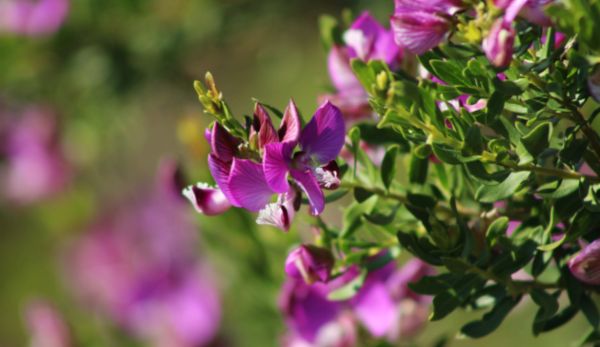
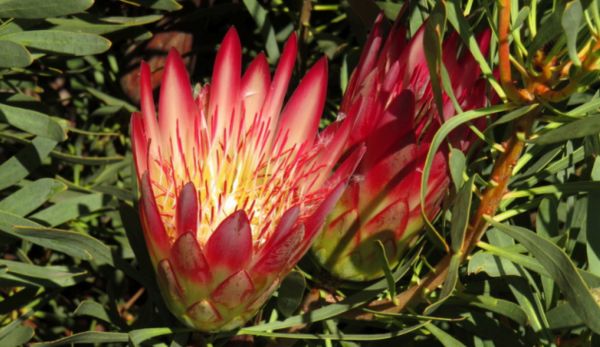
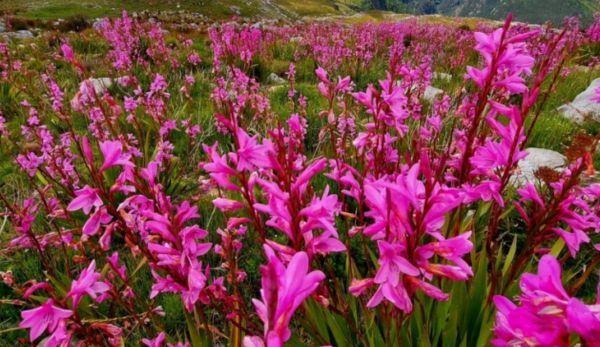
Rehabilitation areas, on the other hand, are specifically intended to restore and protect the estate’s natural vegetation and wildlife habitats. These areas are managed to encourage the recovery of locally indigenous plant communities, including Fynbos, Renosterveld and Valley Bushveld/Thicket.
Rehabilitation areas may occur within private properties, outside the building lines, or within the estate’s shared natural corridors. They are subject to specific rehabilitation and maintenance requirements. Some public open spaces also serve as rehabilitation areas.
Street-front areas are classified separately under the Landscape Manual. Although considered public areas, their planting and maintenance are the responsibility of the adjoining property owners, subject to the estate’s landscaping rules.
Working Together to Protect Our Landscape
Even well-intentioned planting or clearing can interfere with existing rehabilitation efforts, disturb wildlife habitats or introduce plants that are unsuitable for a particular area.
By following the estate’s Landscaping Master Plan and approved planting procedures, we can maintain a consistent, environmentally responsible approach across all phases.
Residents who wish to sponsor indigenous plants or trees, report vegetation requiring attention or enquire about possible plant rescue activities are encouraged to contact the HOA Landscaping Department before taking any action.
Our shared green spaces belong to the entire community, and protecting them is a responsibility we all share.